

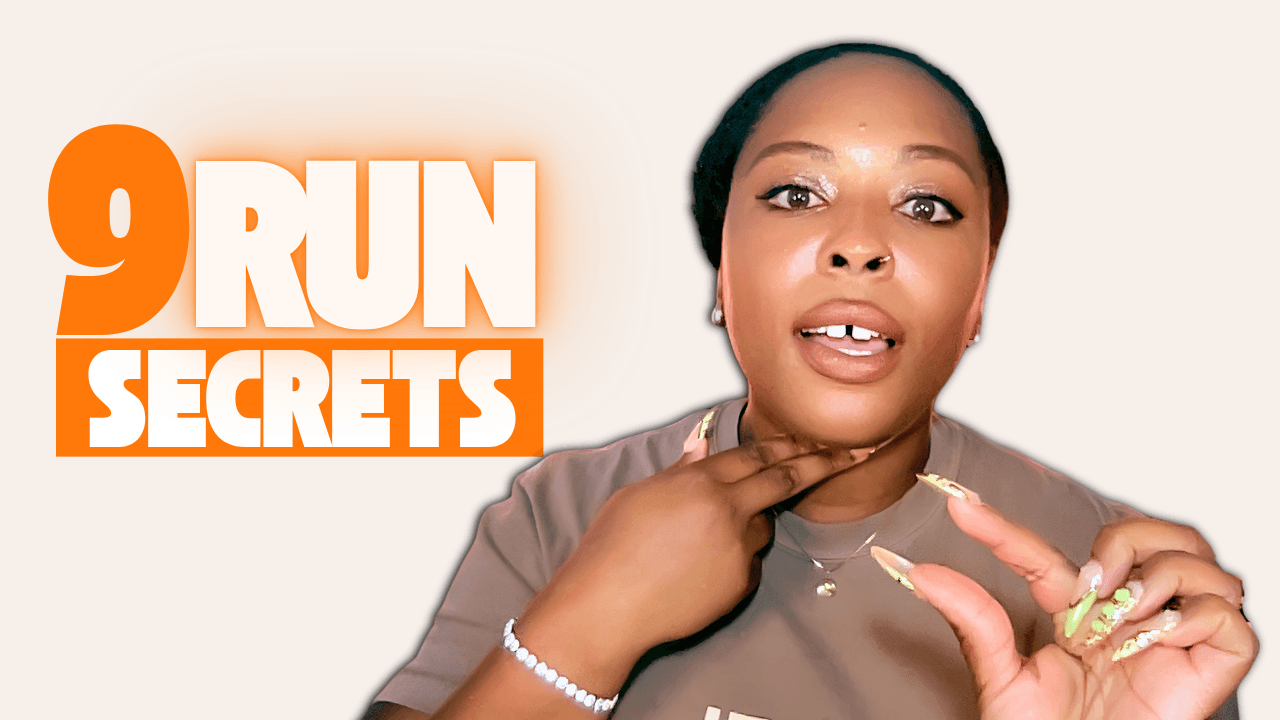
If you want to know how to sing riffs and runs that sound clean, controlled, and expressive, it’s rarely ever just about the notes. There are 9 specific elements that control how clean, controlled, and expressive your vocal runs actually sound. Most singers have never been taught a single one of them. Whether you’re working on your first riff or trying to clean up what you already have, these secrets apply to every voice type and every level.
✅ Plus: These go way beyond basic technique , this is the same framework I use to teach singers how to sing riffs and runs in professional vocal coaching sessions.
🎬 Watch the full video breakdown here:
📝 Looking for more vocal technique tips? Check out this related post: 7 R&B Singing Techniques to Instantly Level Up Your Voice
1. Attack (Onset): How You Start Every Note in a Riff
Most singers think about which notes to sing. The best singers also think about how they enter each one. The attack or onset is how your vocal cords initiate every individual note inside the riff, and it’s one of the most overlooked elements in vocal training.
There are two types: a hard onset (think "uh") where the cords engage firmly, and a soft, airy onset (think "huh") where they come together more gently. The direction of the note tells you which one to use , upward movements call for a soft onset because it’s physically easier to move quickly and precisely, while downward movements take a hard onset for definition and landing. Emphasis overrides direction: whichever note you’re accenting gets the hard onset regardless of where it’s going.
Hard onsets also have variations. The Yuh larynx onset lowers the larynx for a deeper, warmer quality. The "eh" onset raises the larynx for a brighter, more forward, edgier sound. These variations connect directly to your tone , which we’ll come back to in secret #7.
🎤 Try this: Practice the swift lift (a 3-note building block). First note hard onset (emphasized), second and third notes soft onset (moving up). Feel the difference in how controlled and intentional it sounds.
🎧 Result: You stop thinking about a riff as a set of notes and start thinking about it as a series of intentional decisions. That level of control is what separates a clean riff from a sloppy one.
2. Release (Offset): How You End Every Note in a Riff
Singers spend hours practicing how to hit notes. Almost nobody practices how to let them go.
The release or offset is how you end each note inside the riff. For notes in the middle of the riff where another note is coming right after, an airy offset works best. It releases tension quickly so your voice is free and mobile for the next note. For the last note in the riff, you have creative freedom. Hold it, shape it, let it fade. That final release becomes expressive rather than functional.
🎤 Try this: Sing a riff and deliberately hold tension on a mid-riff note before releasing. Then sing the same riff with a clean airy release on that same note. Notice how the second version flows and the first version stalls.
🎧 Result: When both your onset and offset are intentional, your riff sounds refined. That’s the difference between sounding trained and sounding like an amateur.
3. Pitch Accuracy and Ear Training: Fix Your Pitch Before You Sing
Most singers think pitch is something you fix after you sing a wrong note. The cleanest singers fix it before they sing at all.
Every riff is built on a scale. For example, pentatonic, blues, major, minor, etc. When you know the scale and key your riff is based on, you can hear every note internally before you sing it. That internal hearing is what creates clean, precise notes. Without it, you’re guessing. And guessing sounds sloppy.
Here’s a physical pitch accuracy trick I want to share with you. Place your fingers lightly on your larynx (right where the jaw bone and larynx meet) while you sing a riff. You’ll feel the larynx tilting and shifting in response to pitch changes as you move between notes. For singers who struggle to hear pitch separation, feeling it physically first is a completely different and powerful entry point into the same concept.
🎤 Try this: Identify the scale your riff is built on. Practice it until you can hear it without an instrument. Then, before you run the riff, hear every note in your head first, then sing it.
🎧 Result: When your ear knows exactly where every note lives, your voice stops guessing and starts landing. Ear training is the most skipped part of vocal development and the biggest shortcut to cleaner runs.
🎓 Want scale exercises built specifically for R&B riffs? The R&B Singer’s Arsenal includes a full ear training and scale library.
4. Breath Support: The Foundation Everything Else Is Built On
"Support from your diaphragm" is the most repeated instruction in vocal coaching. It’s also the most poorly explained…and most singers are doing it completely wrong as a result.
When singers don’t have real diaphragmatic support, they default to what feels natural: chest breathing (shoulders rise, air is shallow, no real base) and throat pushing (forcing notes out from the throat, this is where strain and vocal fatigue come from). Real support means the diaphragm descends on the inhale, the belly expands outward, and the abdominal muscles maintain a steady outward resistance as you sing instead of collapsing inward.
Body position matters too: roll your shoulders back until your shoulder blades almost touch (but not quite.. we don’t want to arch your back), sternum stays up, chest stays open. No movement in the upper chest or shoulders on the inhale or exhale. Then engage the diaphragm BEFORE you attempt to sing.
👂 Try this right now: Say "Gah" and as you do, push your stomach outward. Feel that outward push? That’s diaphragmatic support. If you’re seated, when fully engaged it should feel like that outward movement is almost lifting you out of your chair.
🎧 Result: This is the number one issue addressed in every vocal diagnostic session. Your riff is only as consistent as the breath underneath it, and now you know what that actually feels like.
🎓 Want full progressive breath support exercises? The R&B Singer’s Arsenal covers this in depth.
5. Speed and Rhythm Variation: Make the Same Riff Sound Like Yours
Speed is how fast or slow the overall riff moves. Rhythm variation goes deeper, it’s about the duration of each individual note within the riff. Hold one note a beat longer than usual. Cut another one short. Speed up into the peak. Slow down coming out of it. You just remixed your own riff and made it sound intentional. This is also one of the best ways to build agility and creativity simultaneously, because your voice now has to be precise at different speeds, not just one.
🎤 Try this: Take a riff you already know and sing it with completely even note durations. Then sing it again holding certain notes longer and cutting others shorter. The second version is yours.
🎧 Result: Most singers learn a riff and lock it in. The best singers treat every riff as a starting point, not a destination. Rhythm variation is how you own a riff instead of just repeating it. This is how to sing riffs and runs.
🎵 Practice tip: Use the Riff Builder App to practice any pattern at adjustable tempos, slow it down to build precision, then speed it up to build agility.
6. Dynamics: Turn a Technically Perfect Riff Into an Emotional One
A riff can be perfectly executed…every note right, every pitch clean…and still make people feel absolutely nothing. That’s a dynamics problem. To learn how to sing riffs and runs with intensity, you need to learn how to control your dynamics.
Dynamics is volume and intensity variation within the riff. Not every note should hit at the same level, and that unevenness is intentional. Swelling into a note, pulling back on another, accenting a specific pitch, that’s what makes a riff feel alive. After you’ve learned the notes, go back and ask: which note is the peak? Where does the riff breathe? Where does it hit? Then practice those dynamic choices the same way you practiced the notes.
🎤 Try this: Sing a riff completely flat (even volume). Then sing it again with one note significantly louder and one noticeably softer. Feel the difference in emotional impact. You can also experiment with gradual volume increases (crescendo) and decreases (decrescendo) and marry those choices with the direction of the run. Singing up? Increase the volume on the way to the top.
🎧 Result: Dynamics are how you tell the listener where to pay attention. They create emphasis. They create emotion. They create the moment. A flat riff is technically correct; a dynamic riff connects.
7. Tone: How Vocal Color Changes the Meaning of a Riff
If you want to know how to sing riffs and runs with emotion and character, controlling your tone is important. Your tone isn’t just the sound of your voice, that’s timbre. Tone is the meaning behind your riff. Change the tone and you change what the riff is actually saying.
Tone is the color and quality of your voice. Bright, warm, dark, airy, whimpered, powerful. And it carries emotional meaning. A riff with a whimpered, lowered larynx soft tone reads as vulnerable, hurt, emotional. A bright, forward, punchy riff reads as powerful, declarative, confident. Same exact notes. Completely different message. You can shift your tone periodically throughout a performance, not just song to song, but even moment to moment within the same riff.
This is also where onset and tone connect. Remember those hard onset variations from secret #1? The Yuh larynx onset lowers the larynx which immediately shifts the tone toward warm and deep. The "eh" onset raises the larynx which shifts the tone toward bright and edgy. When you chose your onset variation, you were already making a tone decision. That’s how you start to develop your signature sound.
🎤 Try this: Sing the same riff with a whimpered larynx tone. Then sing it again with a bright, forward placement. The riff says something completely different each time.
🎧 Result: Tone is the difference between a singer who performs a riff and a singer who means it.
8. Trills: Adding Texture and Energy to Your Riffs and Runs
If you wanted to know how to sing riffs and runs in a creative way, trills add interest immediately and make your runs sound more unique and intimate.
A trill is a rapid alternation between two neighboring pitches, usually a half step or whole step apart. It creates tension, texture, and energy inside or at the end of a phrase. Start slow, clearly alternate between two distinct pitches (not one note wobbling). Then gradually increase speed until the alternation becomes fluid. In a riff, trills work as an entry point (trill into the first note for drama), a transition (trill between two phrases to connect them with energy), or an exit (trill off the last note for a high-impact finish).
🎤 Try this: Pick two neighboring notes and alternate between them slowly. Make sure both pitches are clearly defined. Then gradually speed up. Once fluid, drop it into the end of a familiar riff as an exit.
🎧 Result: Used intentionally, a trill signals control, because only a trained voice can execute a clean one.
9. Vibrato Control: The Finishing Touch That Makes Everything Worth Remembering
If you want to learn how to sing riffs and runs in a controlled way, vibrato is a big factor. Vibrato can make a riff sound stunning. It can also completely wreck it. The difference is all about when you use it.
The rule: delay your vibrato. On fast-moving notes inside the riff, vibrato makes the pitch unstable and the riff sounds shaky. Save it for the last note of the riff or any note you’re sustaining longer than the rest. That’s where it has room to land and actually do its job.
If you don’t have natural vibrato yet or it feels inconsistent, here’s how to develop it. Remember the larynx whimper from secret #7? Place your fingers lightly on your larynx and do the whimper. You’ll feel an internal push and pull deep in the larynx, almost like the back of the tongue you can’t see, and externally you’ll feel the larynx tilting against your fingers. That tilt is what you’re training. Now take that whimper and gradually increase the speed while decreasing the pitch variation between the two pitches. When the speed is even and the pitch variation is narrow and controlled, that’s vibrato.
What you’re feeling is the cricothyroid and thyroarytenoid muscles alternating inside the larynx. You can’t feel them directly, but you can feel the tilt they produce.
🎤 Try this: Whimper on a comfortable note. Feel the larynx tilt under your fingers. Now gradually increase the speed of the whimper while narrowing the pitch variation.
🎧 Result: When vibrato is placed right, it signals that the phrase is complete and the emotion has been delivered. It’s the period at the end of the sentence.
Want to Master These 9 Riff and Run Secrets With a Coach?
🎯 Book a Vocal Diagnostic with Kristal Cherelle. At Indie Artist School, Kristal Cherelle helps singers identify strengths, fix vocal issues, and transform their R&B voice with personalized coaching. Live Diagnostic or Video Diagnostic.
Want Live Vocal Coaching?
The R&B Singing Success System includes:
- Custom Vocal Exercises
- Breath Support and Range Expansion
- How to sing riffs and runs, belting, ear training, tone control and more
- Song Application
- 24 Live Zoom Sessions + Email Support + Feedback Recordings
Want to Learn At Your Own Pace?
The R&B Singer’s Arsenal is a self-paced online course packed with:
- Skill-building vocal exercises
- R&B-specific techniques like how to sing riffs and runs
- Personalized feedback from Kristal
- Lifetime access
Which of These 9 Riff and Run Secrets Was Your Favorite?
Don’t forget to watch the full video for live demonstrations of every secret, including the Predict That Pitch Game at 09:57 and the full vibrato development exercise at 25:43. And practice what you learn with the Riff Builder App.